
Displaying items by tag: chicago theatre
Chicago Shakespeare Theater announces Two Shakespeare Productions in Repertory October 13 - January 3

|
||||||
|
||||||
|
||||||
|
||||||
|
Shattered Globe Theatre's VLADIMIR - Theater Wit - Through November 14th

Shattered Globe Theatre is pleased to open its 36th Season with the Midwest premiere of Erika Sheffer's Vladimir, an unflinching drama of resistance directed by Ensemble Member Lou Contey*, playing October 2 – November 14, 2026 at Theater Wit, 1229 W. Belmont Ave. in Chicago's Lakeview neighborhood. Single tickets ($20 – $60) are now on sale at SGTheatre.org, by calling (773) 975-8150 or in person at the Theater Wit Box Office.
Vladimir features Ensemble Members Rebecca Jordan*, Drew Schad* and Adam Schulmerich*, Associate Artist Steve Peebles+, with Isabel Alamein, Kseniya Janyan, Juliana Liscio, Laila Malak, Tristan Odenkirk and Ben Perry.
About the Production:
In a world where facts are manipulated and fear is currency, the truth becomes dangerous.
As a new authoritarian government tightens its grip on Russia, Erika Sheffer's Vladimir follows an independent journalist who uncovers a story that could expose the truth behind a nation in transition. But when every headline comes with consequences and every source becomes a target, she must decide how much she's willing to sacrifice for the story. Vladimir is a gripping political thriller about what happens when silence becomes complicity.
The production team includes Joe Shermoly (Scenic Designer), KClare McKellaston (Costume Designer), Shelley Strasser* (Lighting Designer), Christopher Kriz+ (Original Music and Sound Designer), Cecilia Chan (Props Designer), Erin Pleake (Projection Designer), Elise Kauzlaric (Dialect Coach), Maren Robinson (Dramaturg), Catherine Miller (Casting Director), Ellie Fey* (Assistant Lighting Designer), E Tylkowski (Production Manager), Nick Peebles (Technical Director), Leah Donovan (Lead Electrician), Tina M. Jach* (Production Stage Manager) and Emily Nicholas (Assistant Stage Manager).
*Denotes SGT Ensemble Member +Denotes SGT Artistic Associate
Vladimir
Playwright: Erika Sheffer
Director: Ensemble Member Lou Contey
Cast (in alphabetical order): Isabel Alamein (Daughter, Masha, TV Crew), Kseniya Janyan (Chovka, Makeup Lady), Rebecca Jordan* (Raya), Juliana Liscio (Galina), Laila Malak (Tatiana, Bartender, Book Clerk), Tristan Odenkirk (Yevgeny, Cameraman), Steve Peebles+ (Andrei, Old Man, Deacon), Ben Perry (Director, Vitaly, News Personality, Sasha), Drew Schad* (Jim) and Adam Schulmerich* (Kostya).
Location: Theater Wit, 1229 W. Belmont Ave., Chicago
Dates: Previews: Friday, October 2 at 7:30 pm, Saturday, October 3 at 7:30 pm, Sunday, October 4 at 3 pm and Wednesday, October 7 at 7:30 pm
Opening: Thursday, October 8, 2026 at 7:30 pm
Regular run: Saturday, October 10 – Saturday, November 14, 2026
Curtain Times: Thursdays, Fridays & Saturdays at 7:30 pm; Sundays at 3 pm. Please note: there will not be a 7:30 pm performance on Friday, October 9 or Saturday, October 31; there will be an added 3 pm performance on Saturday November 14.
Tickets: Previews: $25. Regular run: $20 - $60. Student, veteran/active military and teacher discounts available. Single tickets are available at SGTheatre.org, by calling (773) 975-8150 or in person at the Theater Wit Box Office. Season Traveler memberships starting at $55 are also available. For information on group discounts, e-mail This email address is being protected from spambots. You need JavaScript enabled to view it. or call (773) 770-0333.
About the Artists:
Erika Sheffer (Playwright, Vladimir) is a playwright and screenwriter based in Los Angeles. Her first play, Russian Transport, premiered at The New Group and went on to productions at Steppenwolf as well as other regional and international theaters. The Fundamentals was commissioned and produced by Steppenwolf. Her latest play, Vladimir was commissioned by The Geffen Playhouse and received its world premiere at Manhattan Theatre Club. Honors include the Paula Vogel Playwriting Award, multiple TCG Edgerton Grants and an Outer Critics Circle Award nomination. She is an alum of Ars Nova Playgroup and a member of Center Theatre Group's LA Writer's Workshop. Erika has held commissions from Steppenwolf, The Geffen Playhouse, Center Theatre Group and Manhattan Theatre Club. Screen credits include Apple TV's Little America and Netflix's The Beast in Me (Writers Guild nomination). as well as multiple development rooms for Apple TV, Starz and Sony.
Lou Contey (Director, Vladimir) is a long-time Ensemble Member with Shattered Globe Theatre. He recently directed the multiple award-winning production of A View from the Bridge. Shattered Globe credits include The Manchurian Candidate, A Streetcar Named Desire, All My Sons, Who's Afraid of Virginia Woolf?, Peter Pan, Les Liaisons Dangereuse, Warhawks and Lindberghs, Holy Ghosts, Judgement at Nuremberg, Requiem for a Heavyweight, The Whaleship Essex, In the Heat of the Night, The Tall Girls, The Heavens are Hung in Black, and many others. Among his more than eighty directing credits are The Price, Awake and Sing!, It's All True, Copenhagen. Pravda, Paradise Lost, The General from America, A House with No Walls, Lillian, Frost/Nixon, The Guys and The Apple Family Plays, all at TimeLine where he is an Associate Artist. Other Chicago credits include The Master and Margarita (Strawdog Theatre); In a Garden (A Red Orchid Theatre); Marriage Play, Duck Variations (The Goodman Theatre) and Haymarket Eight (Steppenwolf). He has also worked at Theatre at the Center, Buffalo Theatre Ensemble, Provision Theatre, Eclipse Theatre and American Theatre Company. He has taught acting and directing for the theatre programs at UIC, The Acting Studio, Act One Studio and The Theatre School/DePaul University.
Isabel Alamein (Daughter, Masha, TV Crew, U/S Chovka, Makeup Lady, she/her) is thrilled to be a part of Vladimir! Recent favorite credits include the world premiere of Pilgrimage (Golden Thread Productions) and several feature films in post-production. Outside of acting, Isabel is a visual artist and dancer. Thank you to the production team, and to every person speaking truth to power.
Kseniya Janyan (Chovka, Makeup Lady, she/her) is an Armenian-Egyptian and Russian actress who's never quite settled anywhere, but who recently made the migration from her American home in New York to the welcoming, collaborative spirit of Chicago's creative community. Recent local credits include: King John (Circuit Theatre Company), Wish You Were Here (Remy Bumppo Theatre Company), How To Defend Yourself (Odds & Ends Theatre Company), Pigeon Whole (Eclectic Full Contact Theatre), Ubu: the King (Facility Theatre). She extends her gratitude to you and your continuous support of storefront theater, to the tireless and talented cast and crew of Vladimir, and most urgently – to the people behind the stories who fought for the humanity within them.
Rebecca Jordan (Raya, she/her) is super excited to reunite with director Lou Contey at their artistic home. Rebecca was most recently seen in the world premiere of Eelpout by Paul W. Kruse. And before that, in London Road, which received the Jeff Award for Best Production – Musical in 2024 – both at Shattered Globe Theatre, where she has been a founding ensemble member for 36 years. Other SGT favorites include Marvin's Room, Mill Fire, A View from the Bridge (Jeff nomination, best actress supporting), The Manchurian Candidate, All My Sons, Anna Karenina (Jeff nomination, best actress lead), Rocket to the Moon and Judgment at Nuremberg. Rebecca received Joseph Jefferson awards for her portrayals of Stella in A Streetcar Named Desire and for Pam in Frozen Assets at SGT. She also performed at the Goodman Theatre in House and Garden, Trojan Women and the world premiere of Rebecca Gilman's Blue Surge. In Los Angeles, Rebecca played the role of Susan opposite Ed Harris, Bill Pullman and the late Glenne Headley in the world premiere of The Jacksonian at the Geffen Playhouse, penned by Beth Henley and directed by Robert Falls. Other Los Angeles credits include The Butcher of Baraboo at The Road Theater, Fatboy (LA Ovation nomination for best comedic role) and Scarcity (LA Scenie award for best actress), both at Need Theater. Some TV credits include Chicago Med, Empire, PKD's Electric Dreams, Chicago Justice, Shameless, Eagleheart. Rebecca has just finished penning her second feature film. She is grateful and proud to be represented by Stewart Talent, Chicago.
Juliana Liscio (Galina, she/her) is thrilled to return to Shattered Globe, where she was a 2022 Protégé and understudied Catherine in A View From the Bridge (Jeff Award Winner – Best Production; Best Director). She recently made her Los Angeles theatre debut in the world premiere of Julie Shavers' The Baptist Witches of Shelbyville, starring Mamie Gummer. Chicago theatre: The Diary of Anne Frank (Young People's Theatre of Chicago), Picasso at the Lapin Agile and Brighton Beach Memoirs (Citadel Theatre), Six Stories Up (co-writer/performer, Tellin' Tales Theatre), Dracula (Surging Films and Theatrics), A Midsummer Night's Dream (understudy, Oak Park Festival Theatre), The Jacksonian (Profiles Theatre) and Take Me Back (The Poor Theatre). Tour: Space Station Safety (The National Theatre for Children). Film: Smiles, The Vigil. Her play Rambutan received a reading through Steppenwolf's LookOut series. Her writing has also been developed through Chicago Dramatists and the Inclusive Playwright Project. Training: Loyola University Chicago; Fordham London Dramatic Academy; Beverly Hills Playhouse.
Laila Malak (Tatiana, Bartender, Book Clerk, she/her) is a Chicago-based actor/singer/writer who earned her BFA in Acting from Ball State University. She was last seen in Anatomy of a Suicide directed by Alex Mallory. Other credits include: DoProcess's reading of the new musical (out), 24 hour play festival: Ad Infinitum (Sub Rosa Theatre Collective), Our Town directed by David Little, An Enemy of the People adapted and directed by Zoé Soteres, The Polar Express (Rail Events Inc.), Macbeth (Hoosier Shakespeare), The Children's Hour directed by Veronica Santoyo. Laila is thrilled to be making her Shattered Globe Theatre debut! Instagram: laila_malak24
Tristan Odenkirk (Yevgeny, he/him) is a Chicago actor making his debut at Theater Wit, one of his favorite stages in the city. Tristan received his Bachelor's in Theater from Augustana College in 2020 and graduated from the Chicago Black Box Drama School Actor's Studio training program in December of 2023. Tristan's work alternates between the professional and amateur. Most recently, he played Al Capone in Outta This World! at iO Theater. He also played Tibult with Midsommer Flight, and the lead in Trap Door's Fraudulent LLC.
Steve Peebles (Andrei, Old Man, Deacon) has worked with SGT in London Road (Jeff Winner, Best Musical, Nominee Best Ensemble) Becky Nurse of Salem, Hannah and Martin, Five Mile Lake, In The Heat of the Night, The Whaleship Essex and Our Country's Good. Other Chicago credits include: Macbeth (Three Crows), Spamalot! (The Mercury), Peter and the Star Catcher (Metropolis Performing Arts), Cyrano (Boho), Midsummer Night's Dream (First Folio) and Flanagan's Wake. Other credits: Kalamazoo Christmas! (Farmer's Alley Theater), Into The Woods (Two Pigs - Ratone, NM), The Shrew (P45 - Traverse City, MI), and seven tours with Montana Shakespeare in the Parks. Steve is an Artistic Associate with SGT, a graduate of North Central College, and has been featured on The Moth Radio Hour after winning the Moth GrandSlam in 2022.
Ben Perry (Director, Vitaly, News Personality, Sasha, he/him) is excited to be returning to SGT! Chicago credits include A View From The Bridge (Shattered Globe Theatre), Antigone, Dante 360 (Athenaeum Center), The Elephant Man (Surging Film & Theatrics), The Tragedy of King Christophe (House Theatre of Chicago), The Prodigal Prince (The Veil Theatre) and performing with the Harold Team Jackie Bass at Improv Olympics. Regional credits include Noises Off, Young Frankenstein, Murder on the Orient Express, Stranger Sings (Wolfbane Productions), The Complete Works of William Shakespeare Abridged, Parade, Newsies and The Will Rogers Follies (Alluvion Stage Company).
Drew Schad* (Jim, he/him) is excited to be back on stage at Shattered Globe Theatre, where he has been an ensemble member since 2009. Drew has appeared in over 15 SGT productions, including: Rasheeda Speaking, Sheepdog, Hannah and Martin, Crime and Punishment, Five Mile Lake, The Heavens Are Hung in Black, In the Heat of the Night, The Rose Tattoo, The Whaleship Essex, Mill Fire, Our Country's Good, Happy Now?, Her Naked Skin, Orpheus Descending, Romeo and Juliet and The Little Foxes. Other Chicago credits include: Born Yesterday (Remy Bumppo, Jeff Award Best Production Midsize) and Six Degrees of Separation (Eclipse). TV credits include: 61st Street (AMC), Chicago P.D. (NBC) and Chicago Med (NBC). Drew has studied at the National Theater Institute, and he holds a BA in Drama from Kenyon College, where he received the Paul Newman Trophy. He is a proud member of SAG-AFTRA.
Adam Schulmerich (Kostya, he/him) is an ensemble member with Shattered Globe. Recent SGT credits; Lobby Hero, Becky, Nurse of Salem and A View from the Bridge. Other recent credits; Superior Donuts (The Artistic Home), Macbeth (Lakeside Shakespeare). Recent television credits include Chicago Med and Mr. Throwback. Adam received his BFA in Theatre Arts & Film from SUNY Purchase College. He is represented by Gray Talent Group.
About Shattered Globe Theatre
Shattered Globe Theatre seeks to redefine what it means to be an ensemble theatre, discover new connections between story, artist and audience, and explore drama from bold, challenging perspectives.
Shattered Globe Theatre was born in a storefront space on Halsted Street in 1991. Since then, SGT has produced more than 80 plays, including ten American and world premieres, and garnered an impressive 53 Jeff Awards and 134 Jeff Award nominations, as well as the acclaim of critics and audiences alike. Guided by Producing Artistic Director Sandy Shinner, Shattered Globe's values are rooted in a commitment to racial equity, respect for all artists and support for the ensemble, while creating new opportunities to amplify traditionally marginalized voices and collaborate in all aspects of its work. Through initiatives such as the Protégé Program, Shattered Globe creates a space which allows emerging artists to grow and share in the ensemble experience.
Shattered Globe Theatre's Ensemble includes Judy Anderson, Louis Contey, David Dastmalchian, Demetra Dee, Joe Forbrich, Ellie Fey, Christina Gorman, Daria Harper, Kotryna Hilko, Tina M. Jach, Rebecca Jordan, Steve Kleinedler, Vivian Knouse, AmBer Montgomery, Tina Muñoz Pandya, Eileen Niccolai, Jazzma Pryor, Deanna Reed-Foster, Linda Reiter, Jeff Rodriguez, Drew Schad, Adam Schulmerich, Leslie Ann Sheppard, Sandy Shinner, Joe Sikora, Shelley Strasser, Devonte E. Washington, Sarah Jo White, Joseph Wiens and Brad Woodard.
SGT's Artistic Associates includes Daniela Colucci, Elliot Esquivel, Mikey Gray, Lawrence Grimm, Ronald Hale, Darren Jones, Christopher Kriz, Jason Lynch, Lydia Moss, Tim Newell, Jane Nix, Aila Peck, Steve Peebles, Cage Sebastian Pierre, David Antonio Reed, Angie Shriner, Abbey Smith, Hershey Suri, Michael Trudeau and Ayanna Wimberley.
SGT is supported in part by generous grants from the Shulman-Rochambeau Charitable Foundation, Brenda and James Grusecki, The Paul M. Angell Family Foundation, Carol P. Eastin, The Shubert Foundation, Judith and David Sensibar, the Illinois Arts Council, The Gaylord and Dorothy Donnelley Foundation and Americans for the Arts.
Visit SGTheatre.org for subscriptions, tickets and information, and follow the company @shatteredglobe on Facebook and Instagram.
Hail Mary/Maria at Theater Wit – A Welcome New Slant on Crossing Over into Adulthood
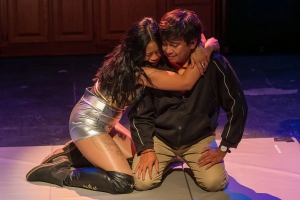
Coming of age stories resonate more profoundly when they mirror the lived reality of a real person. That’s why the firecracker of a play, Hail Mary/Maria, that’s just begun its far too short run at Theater Wit, is must-see theater for just about anybody who counts themselves as a member of the human family. If you’ve ever been young or wracked with self-doubt, Hail Mary/Maria proves there are avenues that lead to clarity and self-actualization. Making the play act as a raucous, hugely humorous and often touching guide on how to find them.
Very much a reflection of playwright RJ Silva’s own experiences, the story follows the life of Kid (Juan Sedonio), a teenager who immigrated to the US with his mother from the Philippines when he was in the seventh grade. Now in an all-boys high school, he’s a little bit of a loner and completely hooked on the exploits of his favorite pro-wrestler, Maria. He’s also, with great misgivings, about to embark on his first journey into romance.
A badass brawler with heart, it’s Maria we first meet when the play opens. She pumps up the crowd with her bravado, high voltage smile and saucy hair flips. A stark contrast with the subdued and self-enclosed Kid, Maria’s the bolt of energy that serves to ignite a story that’s about to match her spirit.
The core of the play starts innocently enough in school with Kid, which is short for Kindness, sitting alone listening to music through his earbuds. He’s joined by another student who casually strikes up a conversation. Confident and friendly, the boy is feeling Kid out, trying to learn more about him. He trips over the typical stumbling blocks when it comes to pronouncing foreign names and learning new things about a different culture. But there’s no animus. He’s open and curious. They both tap into their recall and remember being aware of each other from previous school encounters. Blond and self-assured, the new arrival’s name is Jack and it’s clear he wants to be friends. Since Jack (Aidan Leake) is really into the new Avatar movie, we can tell it’s the original he’s talking about and that the play’s setting is fifteen years or so in the past.
We can see too from their exchange that Kid, although on the surface quiet and retiring, has some spunk to him. Once he begins talking about why he’s such a fan of the wrestling phenom, Maria, played with zestful impeccability by Carina Lastimosa, we get a glimpse of his animated side. To Kid, she’s an underdog who became the top dog. An inspiration. There’s a lot of pride that comes pouring through in his admiration for her.
We meet Kid’s other role model at home. It’s his Mom, Marie (Marie Tredway). The quintessential Filipina nurse; tireless, indispensable, magnanimous, Marie’s got an iron core that’s fortified and sustained by her faith and belief in Mama Mary. A figure most of us know as the Blessed Virgin Mary. In Kid’s household, she has a shrine set up in her honor and consulted by Kid as well as his Mom for guidance and advise. Filling two roles, Lastimosa shows how easily she can portray widely divergent personalities. As Mama Mary, she beautifully personifies a potent blend of compassion and enlightened understanding when responding to Kid’s solicitations.
Scenes that take you inside Kid’s home are some of the most moving and treasured in the production. Thanks in no small part to Katelyn Montgomery’s wonderfully evocative set. They’re portals into a world rich in tradition, strongly held belief and the type of family values that insure cohesion. Attributes that on one hand are wonderfully sublime and on the other almost quaint. The types of characteristics that may have once flourished in the American culture as well; but have long since dissipated or atrophied.
Very much a collaborative effort, Hail Mary/Maria is directed by Mr. Silva’s husband, Adam Reed. The unconventionality of the central character is complemented by an equally unorthodox directorial approach in Mr. Reed’s debut directing effort. One that fills the one-act performance with heaps of emotional and physical dynamism while encouraging plenty of audience interaction.
Pro wrestling of various shades have long been extremely popular in the Philippines. From the responses of the audience Saturday night, it has a strong following in this country too. Rather than conjuring it only through the imagination, Hail Mary/Maria brings it live and center stage, giving the uninitiated a taste of its electric appeal. The ploy works beautifully, making Hail Mary/Maria as much a rewarding visceral charge as it is a splendid theatrical offering.
From that initial conversation between Kid and Jack, you somehow know Jack had more than friendship on his mind when he sat down next to Kid that day. And he likely sensed that Kid was interested in him, too. As we all know, a lot can be transmitted in a simple glance.
Kid and Jack inch their way toward understanding one another and liking each other even more as their familiarity grows. Something that triggers trepidation and even fear in Kid. How can he reconcile who he is with what he thinks should be? How that dilemma is resolved is what makes this project so appealing. There’s a wholesomeness to it that feels very honest. The solid gold cast help make Hail Mary/Maria a treasure. Both Sedonio and Leake fill their roles with the kind of intangibles that make what they present on stage memorable. A statement that’s just as true for Lastimosa and Tredway. You can’t help but want to see them all in other works that showcase their skill and gifts as well as this project one does.
The only pressing question now might be, what’s the fledgling entertainment enterprise going to roll off their runway next?
Hail Mary/Maria
Presented by Nova Entertainment
Thursday, August 20th - 7:30pm
Friday, August 21st – 7:30pm
Saturday, August 22nd - 2:30pm & 7:30pm
Sunday, August 23rd - 2:30pm
Venue: Theater Wit in Theater 2
1229 W. Belmont Avenue
Chicago, IL 60657
For more information and tickets: https://www.theaterwit.org/tickets/productions/602/performances
Highly Recommended
Detroit ’67 - Pulse Theatre Chicago – Through November 1st

Pulse Theatre Chicago proudly announces a defining new chapter in the company's history with the expansion of its artistic leadership, the beginning of its residency at the historic eta Creative Arts Foundation, and the cast and creative team for its Fall 2026 production of Dominique Morisseau's acclaimed drama, Detroit '67.
More than a season announcement, this moment represents the culmination of twelve years of artistic growth— from a storefront theatre founded in 2014 to a Black-led company entering a new chapter through expanded artistic leadership, a residency at one of the nation's most historic Black theaters, and its most ambitious season to date.
As the flagship production of its 2026–2027 season, Detroit '67 marks an exciting milestone for Pulse Theatre Chicago. Dominique Morisseau's celebrated drama explores family, resilience, and hope amid the Detroit uprising of 1967—themes that resonate deeply with the company's season-long exploration, The Healing Pulse: Mental Health in Black Homes.
Founded in 2014, Pulse Theatre Chicago enters its twelfth season by expanding its artistic leadership. Executive Artistic Director Aaron Reese Boseman is joined by Associate Artistic Director Isis Elizabeth, who joined the company in 2023. Together they will guide Pulse's artistic vision as the company begins its residency at eta Creative Arts Foundation and continues its commitment to creating bold, community-centered theatre on Chicago's South Side.
"This moment represents years of dreaming, building, and believing," said Executive Artistic Director Aaron Reese Boseman. "Since founding Pulse Theatre Chicago, our mission has been to create theatre that doesn't simply entertain—it transforms. Beginning our residency at eta Creative Arts Foundation and expanding our artistic leadership strengthens our commitment to building an artistic home where artists and audiences alike can gather, heal, and imagine together."
A New Chapter for Pulse Theatre Chicago
Founded in 2014, Pulse Theatre Chicago has grown into a Black-led professional theatre company recognized for producing new works, reimagined classics, and immersive theatrical experiences rooted in poetic grit, bold imagination, and deep compassion.
Boseman's directing work in Chicago storefront theatre includes acclaimed productions of Confederates, The House That Will Not Stand, Topdog/Underdog, The Mountaintop, The Colored Museum, and A Raisin in the Sun, reflecting the company's longstanding commitment to centering Black voices and transformative storytelling.
An actor, playwright, and educator, Isis Elizabeth joined Pulse Theatre Chicago in 2023. Her original play Beneath the Willow Tree received its world premiere at Pulse, exemplifying the company's investment in developing new work alongside celebrated classics. As Associate Artistic Director, Elizabeth will help shape artistic programming while continuing Pulse's commitment to nurturing emerging artists and new voices.
A New Home at eta Creative Arts Foundation
Pulse Theatre Chicago proudly begins its residency at the historic eta Creative Arts Foundation, one of the nation's oldest continuously operating Black theaters.
The residency reflects a shared commitment to expanding professional theatre opportunities, fostering artistic collaboration, and investing in the cultural vitality of Chicago's South Side while honoring eta's enduring artistic legacy.
The partnership builds upon an already successful artistic relationship. Pulse Theatre Chicago's production of Once on This Island, presented at eta Creative Arts Foundation, earned a Jeff Award, laying the groundwork for this exciting new chapter and underscoring the artistic partnership between the two organizations.
The Healing Pulse
The company's 2026–2027 season, The Healing Pulse: Mental Health in Black Homes, explores the emotional landscapes of Black life through stories of grief, healing, caregiving, identity, joy, memory, and restoration.
Earlier this summer, Pulse launched its immersive Ritual & Rhythm Reading Series, featuring City of Water by Isis Elizabeth and Rhyme Deferred by Kamilah Forbes and Chadwick Boseman. The series transformed traditional staged readings into immersive theatrical experiences, inviting audiences into conversations that continue throughout the season.
Through The Healing Pulse, Pulse Theatre Chicago asks audiences not simply to witness these stories, but to consider what healing looks like behind closed doors, who gets to rest, who gets to unravel, and how communities care for one another through joy, grief, and resilience.
Detroit '67
By Dominique Morisseau
Directed by Aaron Reese Boseman
Set during the Detroit uprising of 1967, Detroit '67 follows siblings Chelle and Lank as they struggle to preserve family, hope, and home amid profound social change. Both an intimate family drama and a sweeping historical portrait, the play explores the enduring strength of community in moments of uncertainty.
The cast features Shenise Danyèl as Chelle, Tamarus Harvell as Lank, Emma Jean Eastlund as Caroline, Dairyon Bolden as Sly, and Jimiece Gilbert as Bunny. Completing the company are understudies Marlissa Stalling (Chelle), Destin Patton-Warner (Lank), Jen Agather (Caroline), Michael Ashford (Sly), and Y'vonne-Rose Smith (Bunny). The creative team includes AnJi White, Assistant Director; Ashley Coney, Production Stage Manager; Chels Morgan, Intimacy & Violence Director; Kevin M. Rolfs, Scenic Designer; Levi J. Wilkins, Lighting Designer; Warren Levon, Sound Designer; Terri Devine, Costume Designer; and Rueben Echoles, Hair & Makeup Designer, Enjoli Valentine, Property Design; Sierra Coachman, Dramaturgy.
Previews: September 11, 2026
Closing: November 1, 2026
Performances take place at eta Creative Arts Foundation.
About Pulse Theatre Chicago
Founded in 2014, Pulse Theatre Chicago is a Black-led professional theatre company committed to producing new works, reimagined classics, and immersive theatrical experiences that amplify underrepresented voices. Through bold storytelling and community-centered artistry, Pulse believes theatre can serve as both a catalyst for dialogue and a space for collective healing.
Now a resident theatre company at eta Creative Arts Foundation, Pulse continues its mission to expand access to professional theatre on Chicago's South Side while cultivating artists, developing new work, and strengthening Chicago's vibrant Black theatre ecosystem.
For more information and tickets, visit www.pulsetheatrechicago.org.
Remy Bumppo Theatre Company Hosts "Exploring The In Between: A Conversation About Mid-Sized Theatres in Chicago," Monday, Oct. 26 at 7 p.m. at Theater

Remy Bumppo Theatre Company’s 30th Anniversary Season continues with "Exploring The In Between: A Conversation About Mid-Sized Theatres in Chicago," Monday, Oct. 26 at 7 p.m. in Theater One at Theater Wit, 1229 W. Belmont Ave. This one-night-only event, moderated by Chicago theatre Historian and Author Mark Larson and Associate Director of the Jane Addams Hull-House Museum Matt Randle-Bent bring together Chicago theatre voices from four storied companies: Remy Bumppo Theatre Company, A Red Orchid Theatre, Teatro Vista Productions and About Face Theatre to discuss how midsized theatres have shaped our city’s cultural ecosystem and what role might they play in what is to come. Tickets are on sale now for $35 at TheaterWit.org or by calling the Theater Wit Box Office at 773.975.8150.
“Exploring The In Between: A Conversation About Mid-Sized Theatres in Chicago” is a night of discovery, conversation and envisioning. “Exploring the In Between” excavates the history, heart and value of midsized theatres in Chicago featuring Remy Bumppo Theatre Company’s Artistic Director Marti Lyons, A Red Orchid Theatre Founding Artistic Director and Board Member of The Red Orchid Theatre Guy Van Swearingen, An Artistic Collective member of Teatro Vista Productions and a Core Ensemble Member of Remy Bumppo Theatre Company Charin Alvarez and About Face Theatre’s Director of Education and Artistic Programing Dionne Addai.
Ticket sales benefit Remy Bumppo Theatre Company.
ABOUT REMY BUMPPO THEATRE COMPANY
Remy Bumppo Theatre Company expands and enriches their community’s view of the world, and their own, by producing both the great plays of the past and the important plays of today. As an ensemble-driven theater company, Remy Bumppo authors a more humane culture that listens to, and seeks to understand, the voices, the ideas and the stories of one another.
Since its inception in 1996, Remy Bumppo has produced a blend of modern classics and complex contemporary works, presented in an intimate setting with clarity, wit and passion. We invite audiences to engage directly with the art through conversation with the artists.
Shattered Globe Theatre Announces 36th Season

Shattered Globe Theatre (SGT), now under the artistic leadership of Ian Frank, is pleased to announce its 36th Season, featuring three plays that explore the distortions that shape our lives and the courage it takes to break through them. The season kicks off this fall with the Midwest premiere of Erika Sheffer's Vladimir, an unflinching drama of resistance directed by Ensemble Member Lou Contey. SGT's 2026/27 season continues next winter with the Midwest premiere of Phanésia Pharel's emotionally rich two-hander The Waterfall, directed by Jasmine B. Gunter. The 36th Season concludes next spring with Oli Forsyth's intimate psychological thriller Brace Brace, directed by Elizabeth Margolius. Whether political, personal or inherited, each of these stories follows characters searching for truth, connection and the freedom to define their own reality.
Shattered Globe Producing Artistic Director Ian Frank comments, "I'm honored to steward Shattered Globe's legacy of bold, intimate storytelling into this exciting new chapter. Our upcoming season tells stories about parents, partners and politics. But at its core is a fight to break free and find something honest, authentic and redemptive. These are stories about what happens when the narratives we've inherited begin to crack, and we're forced to decide what truths are worth holding onto. We promise you'll leave the theatre talking. That's exactly what live theater is supposed to do."
The full 2026/27 Season will be presented at Shattered Globe's resident home, Theater Wit, 1229 W. Belmont Ave. in Chicago's Lakeview neighborhood. Single tickets ($20 – $60) are now on sale at SGTheatre.org, by calling (773) 975-8150 or in person at the Theater Wit Box Office. Season Traveler memberships starting at $55 are also available. For information on group discounts, e-mail This email address is being protected from spambots. You need JavaScript enabled to view it. or call (773) 770-0333.
Shattered Globe Theatre's 2026/27 Season includes:
October 2 – November 14, 2026
Vladimir – Midwest Premiere!
By Erika Sheffer
Directed by Ensemble Member Lou Contey
Featuring Ensemble Members Rebecca Jordan, Adam Schulmerich and Drew Schad with Associate Artist Steve Peebles. Additional casting to be announced.
In a world where facts are manipulated and fear is currency, the truth becomes dangerous.
As a new authoritarian government tightens its grip on Russia, Erika Sheffer's Vladimir follows an independent journalist who uncovers a story that could expose the truth behind a nation in transition. But when every headline comes with consequences and every source becomes a target, she must decide how much she's willing to sacrifice for the story. Vladimir is a gripping political thriller about what happens when silence becomes complicity.
January 22 – February 27, 2027
The Waterfall – Midwest Premiere!
By Phanésia Pharel
Directed by Jasmine B. Gunter
What do we owe the people who raised us? After her mother's hospitalization, Bean returns home expecting to help her recover. Instead, she's forced to confront the dreams, expectations and traditions that have quietly shaped her entire life. As old tensions ripple to the surface, both women must confront the love and sacrifices that bind them together. The Waterfall is an intimate powerful exploration of family, identity and the ties that shape us.
April 16 – May 29, 2027
Brace Brace
By Oli Forsyth
Directed by Elizabeth Margolius
You survive the unimaginable. Now what? When a shocking event leaves Ray and Sylvia alive but forever altered after their honeymoon, they find themselves trapped in competing memories of the same event. As their relationship begins to unravel, Brace Brace explores how trauma reshapes perception, distorts truth, and leaves us questioning not just what happened, but who we've become because of it.About the ArtistsErika Sheffer (Playwright, Vladimir) is a playwright and screenwriter based in Los Angeles. Her first play, Russian Transport, premiered at The New Group and went on to productions at Steppenwolf as well as other regional and international theaters. The Fundamentals was commissioned and produced by Steppenwolf. Her latest play, Vladimir was commissioned by The Geffen Playhouse and received its world premiere at Manhattan Theatre Club. Honors include the Paula Vogel Playwriting Award, multiple TCG Edgerton Grants and an Outer Critics Circle Award nomination. She is an alum of Ars Nova Playgroup and a member of Center Theatre Group's LA Writer's Workshop. Erika has held commissions from Steppenwolf, The Geffen Playhouse, Center Theatre Group and Manhattan Theatre Club. Screen credits include Apple TV's Little America and Netflix's The Beast in Me (Writers Guild nomination). as well as multiple development rooms for Apple TV, Starz and Sony.
Lou Contey (Director, Vladimir) is a long-time Ensemble Member with Shattered Globe Theatre. He recently directed the multiple award-winning production of A View from the Bridge. Shattered Globe credits include The Manchurian Candidate, A Streetcar Named Desire, All My Sons, Who's Afraid of Virginia Woolf?, Peter Pan, Les Liaisons Dangereuse, Warhawks and Lindberghs, Holy Ghosts, Judgement at Nuremberg, Requiem for a Heavyweight, The Whaleship Essex, In the Heat of the Night, The Tall Girls, The Heavens are Hung in Black, and many others. Among his more than eighty directing credits are The Price, Awake and Sing!, It's All True, Copenhagen. Pravda, Paradise Lost, The General from America, A House with No Walls, Lillian, Frost/Nixon, The Guys and The Apple Family Plays, all at TimeLine where he is an Associate Artist. Other Chicago credits include The Master and Margarita (Strawdog Theatre); In a Garden (A Red Orchid Theatre); Marriage Play, Duck Variations (The Goodman Theatre) and Haymarket Eight (Steppenwolf). He has also worked at Theatre at the Center, Buffalo Theatre Ensemble, Provision Theatre, Eclipse Theatre and American Theatre Company. He has taught acting and directing for the theatre programs at UIC, The Acting Studio, Act One Studio and The Theatre School/DePaul University.
Phanésia Pharel (Playwright, The Waterfall) is a Haitian-American playwright from a dragon fruit farm in Miami. The daughter of an immigrant teacher and farmer, she writes to honor people. Her full-length plays include Dead Girl's Quinceañera, The Waterfall, R&B, Lucky and Black Girl Joy. She is the incoming playwriting fellow at Emory University where she will teach and have a new play produced through their repertory company. She has received commissions from the Atlantic Theater, Lucille Lortel (Alcove), La Jolla Playhouse, Miranda Family Fund, Hero Theatre, City Theatre Miami and the Latinx Playwrights Circle. Her honors include Kilroys List, five awards from the Kennedy Center, two-time Bay Area Playwrights Festival Finalist/Honorable Mention, Jane Chambers Finalist, A is For Playwriting award recipient and the Frank Moffett Mosier Fellowship for Works in Heightened Finalist Prize. Phanésia is a member of the Obie-winning EST/Youngblood group and The Wish Collective. Her work has been developed by the Playwrights' Center, New York Stage and Film, SolFest, Thrown Stone, Shattered Globe and Echo Theater Company. B.A, Urban Studies, Barnard College of Columbia University. MFA, Playwriting, UCSD '25.
Jasmine B. Gunter (Director, The Waterfall, she/her) works as an active director, producer and casting director around the U.S. She was the 2021 recipient of the Hangar Directing Drama League fellowship, the 2020 recipient of the Leighton M. Ballew Directing Scholarship and a proud graduate of the Northwestern MFA Directing program and SDC member. Recent directing credits includes Furlough's Paradise (Geva Theatre), The Love Object (Story Theatre), Dracula: A Feminist Revenge Fantasy, Really (Northwestern University), The Revolutionists (Northwestern University), jump (Northwestern University) Lost Girl (Hangar Theatre), The Wonderful Wizard of Oz (Hangar Theatre), Hedda Gabler (Northwestern University), Wine in the Wilderness (Northwestern University), Intimate Apparel (SUNY Brockport), Ghost Story (Kane Repertory Theatre), Lines in the Dust (Geva Theatre Center), Reroute (24 Hour Plays: Nationals). Associate/Assistant Credit: Blues for an Alabama Sky (Remy Bumppo), Nina Simone: Four Women (Arena Stage), In the Heights (Seattle Rep), Quixote Nuevo (Hartford Stage/Huntington Theatre Company) and The Luckiest People (Actors Theatre of Charlotte/NNPN). Jasmine has also taught at the Berkshire Theatre Group and the Redhouse Arts Center in Syracuse, NY.
Oli Forsyth's (Playwright, Brace Brace) play Brace Brace premiered at the Royal Court Theatre in 2024. He was the recipient of the Jerwood New Playwright award in the same year and is currently under commission to the Royal Court for a new play. In 2021, he was invited to join Mike Bartlett's writing group at Hampstead Theatre and was commissioned to write The Pox, for the main stage. In 2019 Cash Cow was produced at Hampstead Theatre Downstairs, quickly followed by a run in Edinburgh. Also in 2019, Such Filthy F*cks, a Smoke & Oakum/Pleasance co-production ran at the Vaults Festival in London.Oli's earlier work includes: Tinderbox (2014) which was nominated for an Amnesty International Award; Cornermen (2015) at The Old Red Lion and The Pleasance, then transferring to VAULT Festival and touring in co-production with Red Ladder Company/New Diorama Theatre (2018).New Diorama Theatre/Smoke & Oakum co-produced Happy Dave (2016) and Kings (2017).
Elizabeth Margolius (Director, Brace Brace) is a Jeff Award-winning stage and movement director, who most recently received the award for Director of a Musical for Shattered Globe Theatre's London Road. A five-time Joseph Jefferson Award nominee, Elizabeth's selected directorial credits also include: The Da Vinci Code for Drury Lane Theatre, The Flying Lovers of Vitebsk for Northlight Theatre, Fiddler on the Roof for Drury Lane Theatre, Tidy and Rose for Renaissance Theaterworks, Crimes of the Heart for American Stage, Le Loup-garou for Opera Southwest, I and You, Silent Sky, Miss Holmes and The Bridges of Madison County for Peninsula Players, Queen of the Mist for Firebrand Theatre, The Scarlet Ibis for Chicago Opera Theater, Machinal (Movement Director) and Uncle Philip's Coat for Greenhouse Theater, Haymarket: The Anarchist's Songbook for Underscore Theatre, The Girl in the Train for Chicago Folks Operetta, Goldstar, Ohio for American Theater Company, The Merry Wives of Windsor for Chicago Shakespeare Theater (Assistant Director), Opus 1861 for City Lit Theater, Violet for Bailiwick Chicago and Bernarda Alba and Songs for a New World for Bohemian Theatre Ensemble.
About Shattered Globe Theatre
Shattered Globe Theatre seeks to redefine what it means to be an ensemble theatre, discover new connections between story, artist and audience, and explore drama from bold, challenging perspectives.Shattered Globe Theatre was born in a storefront space on Halsted Street in 1991. Since then, SGT has produced more than 80 plays, including nine American and world premieres, and garnered an impressive 53 Jeff Awards and 134 Jeff Award nominations, as well as the acclaim of critics and audiences alike. Guided by Producing Artistic Director Sandy Shinner, Shattered Globe's values are rooted in a commitment to racial equity, respect for all artists and support for the ensemble, while creating new opportunities to amplify traditionally marginalized voices and collaborate in all aspects of its work. Through initiatives such as the Protégé Program, Shattered Globe creates a space which allows emerging artists to grow and share in the ensemble experience.Shattered Globe Theatre's Ensemble includes Judy Anderson, Louis Contey, David Dastmalchian, Demetra Dee, Joe Forbrich, Ellie Fey, Christina Gorman, Daria Harper, Kotryna Hilko, Tina M. Jach, Rebecca Jordan, Steve Kleinedler, Vivian Knouse, AmBer Montgomery, Tina Muñoz Pandya, Eileen Niccolai, Jazzma Pryor, Deanna Reed-Foster, Linda Reiter, Jeff Rodriguez, Drew Schad, Adam Schulmerich, Leslie Ann Sheppard, Sandy Shinner, Joe Sikora, Shelley Strasser, Devonte E. Washington, Sarah Jo White, Joseph Wiens and Brad Woodard.SGT's Artistic Associates includes Daniela Colucci, Elliot Esquivel, Mikey Gray, Lawrence Grimm, Ronald Hale, Darren Jones, Christopher Kriz, Jason Lynch, Lydia Moss, Tim Newell, Jane Nix, Aila Peck, Steve Peebles, Cage Sebastian Pierre, David Antonio Reed, Angie Shriner, Abbey Smith, Hershey Suri, Michael Trudeau and Ayanna Wimberley.SGT is supported in part by generous grants from the Shulman-Rochambeau Charitable Foundation, Brenda and James Grusecki, The Paul M. Angell Family Foundation, Carol P. Eastin, The Shubert Foundation, Judith and David Sensibar, the Illinois Arts Council, The Gaylord and Dorothy Donnelley Foundation and Americans for the Arts.Visit SGTheatre.org for subscriptions, tickets and information, and follow the company @shatteredglobe on Facebook and Instagram.
BLUE MAN GROUP "A NEW HOLIDAY SURPRISE" Coming to Chicago for the Holidays NOVEMBER 24 – DECEMBER 13

Broadway In Chicago is pleased to announce Blue Man Group will bring its first-ever holiday production, "A NEW HOLIDAY SURPRISE," on the road this season. Chicago audiences will be among the first in the country to experience the all-new production. Tickets go on sale this Friday, August 21. BLUE MAN GROUP’S A NEW HOLIDAY SURPRISE will play Broadway In Chicago’s CIBC Theatre (18 W. Monroe St.) for a limited three-week engagement, November 24 – December 13.
“Bringing Blue Man Group's first-ever holiday production to Chicago is an exciting milestone and a natural evolution of the iconic Blue Man experience,” said Marie-Josée Adam, President and CEO of Blue Man Group. “The holidays are about creating unforgettable memories, and we're thrilled to offer audiences a fresh, immersive celebration that blends the music, humor, creativity and joyful unpredictability that have defined Blue Man Group for decades.”
The brand-new production will feature classic holiday music performed on Blue Man Group's iconic custom instruments, while following the Blue Men as they discover the traditions, rituals and joyful absurdities of the holidays while exploring timeless themes of generosity, presence, creativity and human connection. Equal parts hilarious, heartwarming and visually unforgettable, “A NEW HOLIDAY SURPRISE,” offers audiences a unique holiday tradition that celebrates what brings us together.
Blue Man Group is a vibrant, interactive experience that has captivated audiences from all around the world. The non-verbal group communicates through music, art, and comedy, creating powerful connections without saying a word. As the Blue Men navigate our world with curiosity, audiences are invited into a captivating, communal experience that sparks creativity and ignites the imagination.
ABOUT BLUE MAN GROUP
Blue Man Group is a global entertainment phenomenon, known for its award-winning theatrical productions, iconic characters and multiple creative explorations. Blue Man Group performances are euphoric celebrations of human connection through art, music, comedy and non-verbal communication. Since debuting at New York’s Astor Place Theatre in 1991, the live show has expanded to additional domestic residencies playing in Las Vegas, Orlando and multiple tours, reaching more than 50 million people worldwide. Blue Man Group is universally appealing to a broad range of age groups and cultural backgrounds, and continually injected with new music, fresh stories, custom instruments and sensory stimulating graphics. Blue Man Group is owned and operated by Cirque du Soleil Entertainment Group.
For more information, please visit BLUEMAN.com.
Follow @BlueManGroup on
Facebook ● Instagram ● TikTok ● YouTube
PERFORMANCE SCHEDULE
Tuesday, November 24 – 7:00 p.m.
Wednesday, November 25 – 1:00 p.m. & 7:00 p.m.
Thursday, November 26 – No Shows (Thanksgiving)
Friday, November 27 – 1:00 p.m. & 4:00 p.m.
Saturday, November 28 – 1:00 p.m., 4:00 p.m., and 7:00 p.m.
Sunday, November 29 – 1:00 p.m. & 4:00 p.m.
Tuesday, December 1 – 7:00 p.m.
Wednesday, December 2 – 1:00 p.m. & 7:00 p.m.
Thursday, December 3 – 7:00 p.m.
Friday, December 4 – 7:00 p.m.
Saturday, December 5 – 1:00 p.m. & 7:00 p.m.
Sunday, December 6 – 1:00 p.m.
Tuesday, December 8 – 7:00 p.m.
Wednesday, December 9 – 1:00 p.m. & 7:00 p.m.
Thursday, December 10 – 7:00 p.m.
Friday, December 11 – 7:00 p.m.
Saturday, December 12 – 1:00 p.m. & 7:00 p.m.
Sunday, December 13 – 1:00 p.m.
TICKET INFORMATION (As of August 17, based on availability and subject to change)
Individual tickets for BLUE MAN GROUP’S A NEW HOLIDAY SURPRISE go on sale Friday, August 21 and range from $39.00 - $120.00 with a select number of premium tickets available. Ticket price listed is when purchased in person at the box office. Additional fees apply for online purchases. Tickets are available now for groups of 10 or more by calling Broadway In Chicago Group Sales at (312) 977-1710 or emailing This email address is being protected from spambots. You need JavaScript enabled to view it.. For more information, visit www.BroadwayInChicago.com.
ABOUT BROADWAY IN CHICAGO
Broadway In Chicago was created in July 2000 and over the past 26 years has grown to be one of the largest commercial touring homes in the country. A Nederlander Presentation, Broadway In Chicago lights up the Chicago Theater District entertaining up to 1.7 million people annually in five theatres. Broadway In Chicago presents a full range of entertainment, including musicals and plays, on the stages of five of the finest theatres in Chicago’s Loop including the Cadillac Palace Theatre, CIBC Theatre, James M. Nederlander Theatre, The Auditorium, and just off the Magnificent Mile, the Broadway Playhouse at Water Tower Place.
For more information and tickets, visit www.BroadwayInChicago.com.
Follow @BroadwayInChicago on
Facebook ● Instagram ● TikTok ● Bluesky ● YouTube
#broadwayinchicago
Bernstein’s Score Burns Bright in Music Theater Works’ West Side Story
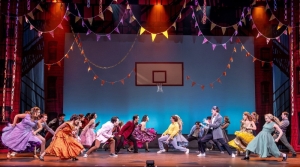
Some musicals carry such cultural weight that every new production feels like a referendum on how well a company can honor the original while making it feel alive again. West Side Story is one of those titles - a towering achievement in American musical theatre, a work whose emotional force and artistic innovation have endured for generations. Music Theater Works has now taken on this iconic musical at the North Shore Center for the Performing Arts in Skokie, and the result is a vibrant, beautifully staged production that captures both the drive and the aching humanity at the heart of the piece.
West Side Story is a modern retelling of Shakespeare’s Romeo and Juliet, but instead of two feuding families, it confronts the racial and cultural fault lines running through 1950s New York City. The Jets, a group of white American teenagers clinging to their sense of territory, clash with the Sharks, a Puerto Rican gang fighting for dignity, safety, and the right to belong in a city that continually pushes them to the margins. Their conflict is not just about turf; it is fueled by fear, resentment, and the prejudice that shapes how each group sees the other. When Tony, a former Jet trying to build a life beyond the violence, meets Maria, the sister of Sharks leader Bernardo, their connection is immediate and transformative. What begins as a spark of hope quickly becomes a dangerous love story unfolding against a backdrop of cultural tension, territorial pride, and escalating hostility.
As the feud intensifies, the young couple’s attempts to carve out a future together collide with the realities of their world. The rumble between the Jets and Sharks sets off a tragic chain of events, leaving Tony and Maria grasping for peace in a city determined to deny it. The musical’s final moments - heartbreaking, inevitable, and deeply human - underscore the cost of hatred and the fragile possibility of reconciliation.
The production also underscores one of the musical’s most enduring truths: that the idealism Tony and Maria cling to is constantly at war with the harsher realities shaping their world.
The creative pedigree behind West Side Story remains one of the most extraordinary collaborations in theatre history. Leonard Bernstein’s sweeping, genre‑blending score, Stephen Sondheim’s razor‑sharp lyrics, Arthur Laurents’ emotionally charged book, and Jerome Robbins’ groundbreaking choreography combine to create a work that is as musically thrilling as it is dramatically devastating. Bernstein’s score - among the most challenging he ever composed and one he found deeply artistically satisfying - remains one of his most defining artistic accomplishments. It is a piece that demands precision, passion, and a deep understanding of its themes, and Music Theater Works rises to that challenge with clarity and heart.
The company’s production is superbly realized, delivering crisp choreography, rich orchestral color, and performances that honor the emotional stakes of the story. It is a staging that respects the legacy of West Side Story while making the experience feel immediate and alive for today’s audiences.
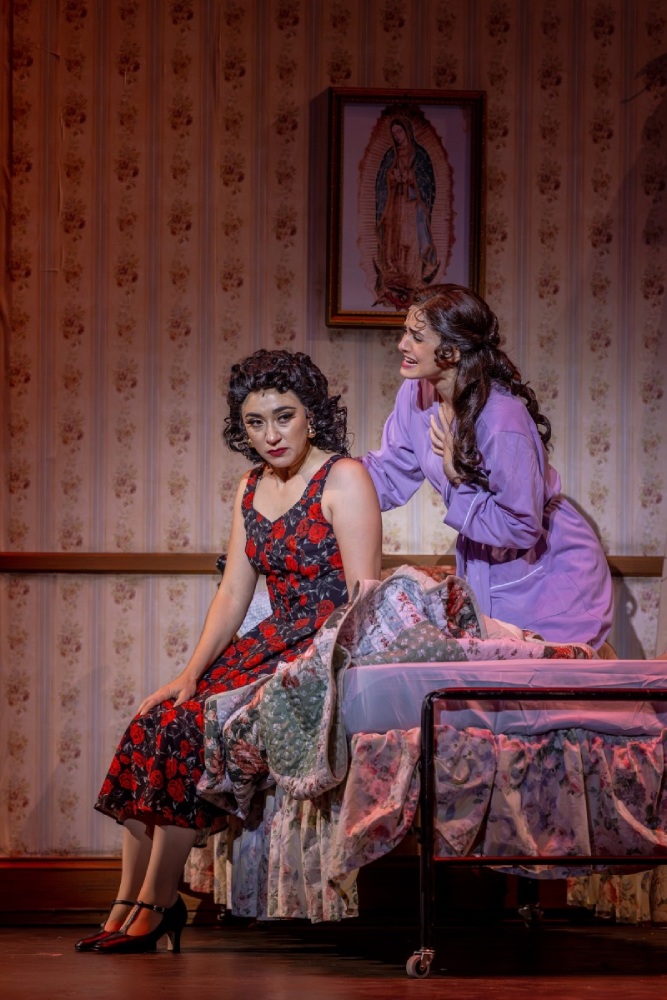
(L to R) Pauleth Jauregui as Anita and Isabella Ruano as Maria in WEST SIDE STORY from Music Theater Works.
The cast is terrific, but it is Isabella Ruano as Maria and Pauleth Jauregui as Anita who anchor the production, grounding it with performances that feel both lived‑in and emotionally urgent. Ruano’s Maria is luminous from her first entrance, her voice soaring through “Tonight” with a clearness and warmth that make the character’s hope feel newly electric. Jauregui matches her beat for beat, delivering an Anita rich with fire, humor, and heartbreak; her vibrant, sharply etched “America” is one of the evening’s defining moments. Together, they anchor the musical’s emotional arc with a confidence that elevates every scene they touch.
Offering a warm, earnest Tony is Luke Nowakowski, his ringing tenor in “Maria” and sincerity in “Something’s Coming” providing a steady, heartfelt counterpoint to the show’s rising tensions. Emmanuel Ramirez’s Bernardo contributes a controlled intensity, shaping the Sharks’ dynamic with quiet authority, while Kameron Rojas Schueneman’s Chino adds thoughtful, understated work that lands effectively in the final scenes.
Connor Ripperger brings a commanding presence as Riff, sharpening the Jets’ energy with restless physicality and crisp musical attack. His leadership in “Cool” gives the number a taut, combustible edge that sets the tone for the gang’s world.
If there’s one aspect that doesn’t land quite as strongly in this otherwise beautifully executed production, it’s the chemistry between Tony and Maria. While both Nowakowski and Ruano act with sincerity and sing with impressive range, clarity, and confidence, their scenes together occasionally feel more musically aligned than emotionally connected. The relationship lands, but at times you want a deeper spark between them - a stronger sense of shared urgency to match the vocal strength they each bring individually. And because this performance comes so early in the run, it’s easy to imagine that their connection will deepen as the actors settle further into each other’s rhythms.
That note aside, the principal cast delivers a production driven by strong voices and sharply drawn character work, with Ruano and Jauregui leading the charge.
The wider ensemble gives the production its pulse, moving with a clarity and drive that continually pushes the story forward, and Eric Desnoyers brings a welcome touch of humor as Officer Krupke, landing sharp comedic beats that lighten the show’s more chaotic moments. But above all, it is the wide-ranging, contemporary ballet-infused dance sequences that catch fire - those large, kinetic passages where movement becomes the show’s primary language. Much of the choreography folds fighting into dance, turning confrontation into something almost balletic: graceful, sculpted, and charged with tension. The company navigates these moments with remarkable control, letting the beauty of the movement coexist with the danger underneath.
In these sequences, the ensemble moves with a shared purpose, letting the choreography shape the conflict and momentum without overstating it. Their control and cohesion give the dance its impact, turning each major passage into a clear highlight that quietly but confidently lifts the production.
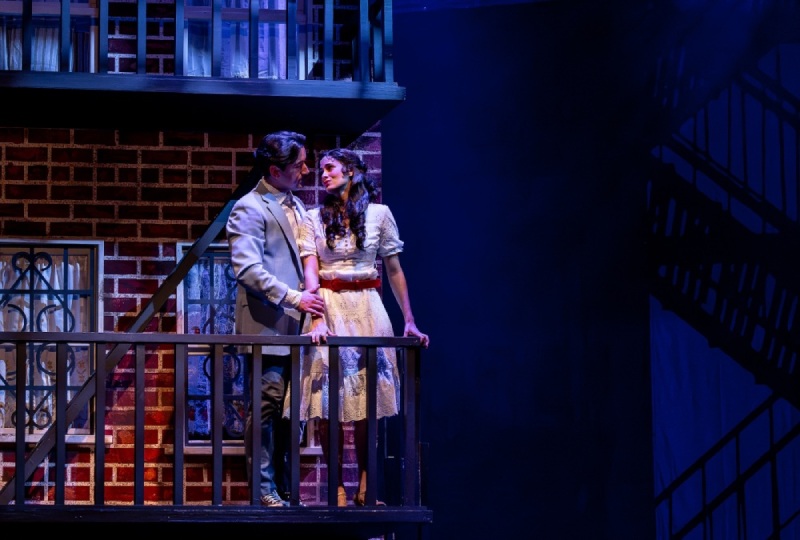
(L to R) Luke Nowakowski and Isabella Ruano in WEST SIDE STORY from Music Theater Works at North Shore Center for the Performing Arts.
Though the stage musical has always kept its original song order - and I understand the desire to preserve that structure - I’ve long hoped to see a production take a cue from the film in one particular moment. In the movie, “America” becomes a spirited debate between the Shark men and women, with Bernardo and Anita sparring over their hopes and frustrations about life in the United States. That dynamic not only brings Bernardo further into focus and deepens his relationship with Anita, it also gives the number a fuller, more energized sweep by letting a larger group of dancers drive its rhythm. The stage version’s women‑only arrangement works, but the film’s version has always struck me as the more dramatically rich and character‑revealing choice.
Beyond the choreography, the production’s artistic leadership is equally strong. The creative team brings seamless cohesion to this production. Director Sasha Gerritson guides the story with clarity and emotional focus, while co-choreographers Clayton Cross and Isa Ramirez deliver movement that honors the show’s iconic style with a fresh, contemporary lift. Linda Madonia’s musical direction keeps Bernstein’s score warm, tight, and expressive, supported by Justin Kono’s precise, sensitive conducting. The orchestra plays Bernstein’s score with crisp articulation and a full, glowing sound, letting the music’s rhythmic bite and lyrical sweep land with real impact. David Serrano’s Spanish translation adds welcome authenticity, with Spanish subtitles projected overhead during musical numbers that make the language accessible to both native speakers and those following along. The production’s most charged moments are shaped with care and impact through intimacy and violence choreography crafted by Nick Sandys.Director Sasha Gerritson guides the story with clarity and emotional focus, while co-choreographers Clayton Cross and Isa Ramirez deliver movement that honors the show’s iconic style with a fresh, contemporary lift. Linda Madonia’s musical direction keeps Bernstein’s score warm, tight, and expressive, supported by Justin Kono’s precise, sensitive conducting. The orchestra plays Bernstein’s score with crisp articulation and a full, glowing sound, letting the music’s rhythmic bite and lyrical sweep land with real impact. David Serrano’s Spanish translation adds welcome authenticity, with Spanish subtitles projected overhead during musical numbers that make the language accessible to both native speakers and those following along. The production’s most charged moments are shaped with care and impact through intimacy and violence choreography crafted by Nick Sandys.
Visually, the production is exceptionally well crafted. Bob Knuth’s scenic design and Cecilia Chan’s props work ground the story firmly in its era, giving the stage a lived-in authenticity that supports the drama without overwhelming it. The printed scenic drops hanging above and along the sides and rear of the stage - with their black windows, fire escapes, and bold red backgrounds - add a distinctive graphic layer, subtly echoing the stark lines and verticality of the 1961 movie poster designed by Joe Caroff. It is a smart visual nod that connects the production to its cinematic legacy without feeling derivative, instead offering a familiar, poster-like clarity that frames the action with understated style.
Bob Kuhn’s costumes and Kristen Brinati’s wardrobe leadership capture the period with clean, thoughtful detail, while Alice Salazar and Melanie Saso’s hair, wig, and makeup design add the finishing touches that make the Jets and Sharks feel fully appreciated. Andrew Meyers’ lighting brings sharp contrast and emotional texture to the stage, and Stephanie Farina’s sound design keeps the vocals and orchestra balanced and clear. This talented team builds an environment that feels true to the time, the place, and the heartbeat of West Side Story.
Taken together, these elements give the production a unity that extends well beyond its individual performances. The design work, staging choices, and musical precision all reinforce one another, creating a West Side Story that feels both faithful to its roots and freshly energized for a new audience. Taken together, these elements give the production a unity that extends well beyond its individual performances. The design work, staging choices, and musical precision all reinforce one another, creating a West Side Story that feels both faithful to its roots and freshly energized for a new audience. It’s a staging that understands the show’s emotional architecture and honors it with care. A staging this confident proves just how alive West Side Story can still feel.
Music Theater Works brings all of this together in a final product that feels both classic and newly urgent. Their West Side Story is a richly performed, thoughtfully designed, and confidently led production that honors the legacy of this landmark musical while giving it the vitality it deserves. Audiences can experience this outstanding staging August 13–30, 2026, and full details - including tickets - are available at www.musictheaterworks.com.
Recommended.
Otherworld Theatre Boldly Goes Again with Starship Edsel Season 4

Otherworld Theatre blasts back into the cosmos with Season 4 of Starship Edsel: An Improvised Star Trek Parody, the latest chapter in its long-running improvised Star Trek satire. Now in its fourth outing, the misfit crew of the USS Edsel once again shows why the production remains a reliably funny fixture in Chicago’s sci-fi comedy landscape: sharp improvisers, affectionate genre parody, and the kind of starship energy you’d never find in the Federation’s official logs.
This season sends the Edsel crew tumbling through new temporal and interstellar absurdities, driven by the fast-paced, character-focused humor that has defined the show from the start. The ensemble dives into the joyful dysfunction of a starship seemingly held together by duct tape and questionable decisions, mixing Trek lore nods with gleeful irreverence and the lived-in chemistry that makes every malfunction and misunderstanding feel inevitable. That energy takes shape in an entirely new crisis: after stumbling through the early Star Trek timeline, the Edsel is abruptly flung centuries forward into the 32nd century, a future shaped by Star Trek: Discovery. Suddenly the galaxy looks unfamiliar, the rules have changed, and the crew finds themselves surrounded by Starfleet Academy cadets who seem barely old enough to pilot a shuttle, let alone judge the Edsel’s competence. I’m not sure whether the mission changes from performance to performance, but in this “episode” their assignment was deceptively simple – secure a peace‑extension treaty with the Blavakians (I hope I got that right) – and what should have been a straightforward diplomatic task stretched into an endlessly delayed ordeal, derailed by hilarious temporal hiccups, cultural misunderstandings, and the Edsel’s trademark ability to complicate even the calmest negotiations.
Directed by Second City alum Anthony LeBlanc, Chicago’s premier sci-fi theatre company brings its hit improvised Star Trek parody to Second City’s De Maat Theatre for its fourth season. Running from August 9 through September 13, the show lands every Sunday at 6 p.m., continuing Otherworld Theatre’s tradition of blending sharp improv, affectionate Trek satire, and the unpredictable charm of the galaxy’s most questionable starship.
The cultural whiplash is immediate: advanced tech they have never seen, protocols they do not understand, and a timeline that expects far more professionalism than the Edsel has ever demonstrated. With a brand-new captain stepping aboard, their six-week mission quickly spirals into new complications, leadership challenges, and the unscripted deep space mayhem that has carried the show through all four seasons.
One of the strongest comedic through lines comes from Wanjiku Kairu Oliver, who steps in as Captain Reitanna Troi and delivers a sharply tuned, consistently funny performance. She begins as an overly supportive, everyone-is-my-friend, besties-with-everyone captain desperate to be liked, then after a well-intentioned nudge from Admiral Jean Pierre Baptiste (played with dry precision and understated comic bite by Edward Neequaye) swings far too hard into stern, over-the-top authority, hilariously misreading his call for a middle ground he clearly thought was obvious.
Season 4’s comic energy is driven by a nimble ensemble that thrives on the Edsel’s brand of barely functional spacefaring misadventure. While the lineup can shift from week to week, in the performance I saw many of the standout laughs came from Matt Kawa as Lt. T’Pang Gah (what's better than a delightfully anachronistic Vulcan?); Carlos Rivera as Chief Counselor J’Errrs’Q, a Klingon with impeccable comedic timing; and Mike Mazzella’s Lt. Cmdr. James Buchanan. Together with the rest of the performers, the crew embraces bold physical comedy and sharp genre parody, making the Edsel’s catastrophes feel both inevitable and irresistible.
What makes the show genuinely entertaining is the cast’s ability to improvise on the spot with razor-precise timing. The performers take every unexpected turn, audience suggestion, and self-inflicted disaster and heighten it with quick pivots, smart character choices, and a shared instinct for building jokes together. The comedy never feels forced or manufactured; it grows organically from the crew’s chemistry and their collective willingness to commit fully to whatever absurdity the Edsel throws at them. The improvisation feels both effortless and impressively precise.
Starship Edsel makes clever use of multimedia to introduce and deepen its characters, with video briefings, ship diagnostics, and on-screen prompts that instantly ground the audience in its improvised sci-fi universe. The set, though minimal, somehow conjures the impression of a functioning starship interior – just enough structure to suggest the Edsel’s corridors and consoles while leaving the performers room to build the world through play. Before the episode begins, Admiral Jean Pierre Baptiste invites the audience to help repair the ship’s failing systems by answering a pair of questions; in this performance, the strangest gift ever received (a skunk) and the oddest motivational tactic from a boss (a magic trick) became key inputs. This talented ensemble wove both suggestions into the narrative with seamless, absurd precision, turning offhand audience answers into some of the night’s funniest running gags.
Created from a live-action role-playing framework written by Brandon Brylawski, the show uses that narrative backbone to fuel an ever-shifting roster of characters and cosmic complications. Each week’s cast builds on that structure with their own improvised twists, expanding the Edsel’s universe in ways that feel both unpredictable and perfectly in tune with the ship’s legacy. The result is a mission that always feels alive, flexible, and primed for fresh absurdity.
You do not need to be a die-hard Trekkie to enjoy Starship Edsel – far from it. While longtime fans will catch the deeper nods to Trek lore, the show’s comedy lands just as well for anyone walking in cold. I say that as someone who grew up religiously watching the original series (TOS) and The Next Generation, and who never fully made the jump to the sprawling lineup of later shows beyond the films. Even with my old-school Trek background, the Edsel’s improvised storytelling, character-driven humor, and affectionate parody make the experience completely accessible and endlessly entertaining.
If you are looking for a night of comedy that goes boldly where no starship should ever go, the Edsel is absolutely the disaster you want to beam aboard.
Run Dates: Opening – Sunday August 9 at 6 p.m., Closing towards the end of October - check site for updated info.
Location: Second City’s De Maat Theatre, 1608 N Wells, Chicago, IL 60614
Running Time: 60-75 minutes with no intermission
Tickets: $25 general admission
Direct Ticket Link: https://www.secondcity.com/shows/chicago/starship-edsel-an-improvised-star-trek-satire-chi
Theatre Company Link: https://www.otherworldtheatre.org/starshipedsel
Gus and Alice Brings Nostalgic, Cozy Comedy
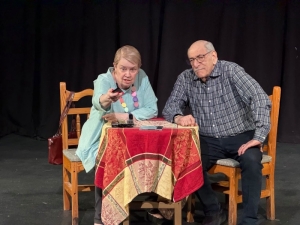
Theatre 31 Productions’ Gus and Alice has returned to the Greenhouse Theater Center this month. Written by Chicago playwright Mike Rago, the light‑hearted slice‑of‑life comedy follows an elderly married couple whose days revolve around avoiding gluten and surviving a game of Trivial Pursuit. As they enter their next chapter, Alice wonders whether a retirement community might be the right move - though her curmudgeonly husband will need some convincing.
Gus and Alice made its debut in New York before heading to the Windy City earlier this year for a sold‑out run. Now the original cast returns for this limited engagement, greeted with an unmistakably warm welcome on opening night.
The one‑act play has the feel of a ’90s sitcom (albeit one with a few well‑placed expletives). It kicks off with snappy dialogue and brisk blackouts that introduce the couple and their marriage - full of the love and bickering reminiscent of The Honeymooners’ Ralph and Alice. These characters are familiar, but the timelessness of the humor still rings true.
Rago set out to write a show centered on aging parents, a group often sidelined in comedy. At the core of the production’s success is the chemistry between Al Lerner and Michelle McKenzie‑Voigt, who bring Gus and Alice to life with a dynamic ease that anchors every scene they share. McKenzie‑Voigt, a Chicago‑based theater actress, professional voice talent, and multiple Chicago Emmy Award‑nominee, gives Alice a warm, grounded presence that balances Lerner’s sharper edges. Chicagoans may recognize Lerner from his days as a sports reporter and radio talk show host - a career that includes his work as a Sports Anchor/Reporter for ABC’s WLS‑TV, a Feature Reporter for NBC’s WMAQ‑TV, and a major on‑air presence at WGN Radio, where his talk show was nationally syndicated. Together, Lerner and McKenzie‑Voigt play off each other beautifully, trading barbs or getting on each other’s nerves while keeping their characters rooted in an understanding of love. Lerner grounds the cantankerous Gus with a short‑tempered crankiness that somehow remains endearing, while McKenzie‑Voigt shines as the sensible, fun‑loving Alice who can keep her husband in check.
Supporting the central pair is Peter Goldsmith as their son. His relaxed, relatable persona fits the role naturally; he deftly portrays a son who understands his parents’ quirks and effortlessly lets it slide when his dad calls him by his brother’s name. He proves to be the perfect straight man, playing the role with an intelligent ease.
The small ensemble adds quirky flavor. Valerie O’Connor is especially funny as the neighbor who’s had a bit too much to drink. A few ensemble members lean into a heightened, overly silly style of comedy, but it mostly suits the material. The show caps off with a high‑energy curtain‑call dance to the Macarena, a playful final beat that even draws a few audience members to join in.
Gus and Alice delivers a warm, laughter‑filled evening. This breezy comedy may tread familiar territory, but it reminds us what truly makes a family: loving each other even when we drive each other crazy.
Runtime: 1 hour 5 minutes
Rating: PG‑13
No intermission
Remaining show dates and times: Saturday, August 15 at 7:30 PM, Saturday, August 22 at 3:00 PM, Sunday, August 23 at 3:00 PM
The Greenhouse Theater Center 2257 N Lincoln Ave Chicago, IL 60614 Up Main Stage
Identity Performing Arts' Fifth Anniversary Gala: Movement That Keeps Becoming
19 October 2026 in Dance in ReviewFive years is an important milestone for any arts organization, but for a contemporary dance company it also marks an…

Overshadowed Theatrical Productions Brings Beloved Holiday Classic It’s a Wonderful Life to the Stage
18 October 2026 in Upcoming TheatreThis holiday season, Overshadowed Theatrical Productions is thrilled to present the timeless holiday classic, It’s a Wonderful Life, live on…
Dance Theatre of Harlem fills Auditorium Theatre with fire and funk
18 October 2026 in Dance in ReviewProjecting a vibe that felt more homecoming party than ballet presentation, Dance Theatre of Harlem returned to Chicago on October…
“A Strange Loop” Lets the Intrusive Thoughts Win at Raven Theatre in partnership with About Face Theatre
17 October 2026 in Theatre in ReviewA musical, but it’s just the voices in your head. Sounds just crazy enough to win the 2020 Pulitzer for…

Announcing Goodman's 22nd New Stages 2026 Festival Line-Up
15 October 2026 in Upcoming TheatreFrom a "Kung Fu rom-com" to a witchy new musical, The Goodman's popular New Stages Festival in its 22nd year continues…

TIMELINE THEATRE’S 100TH PRODUCTION, THE CHICAGO PREMIERE OF LAURA WADE’S HOME, I’M DARLING, DIRECTED BY MECHELLE MOE, SATIRIZES THE SEDUCTIVE FANTASY OF A “SIMPLER PAST,” NOVEMBER 11 - DECEMBER 13
14 October 2026 in Upcoming TheatreTimeLine Theatre’s 30th Anniversary Season at its new home in Uptown rolls merrily along in November with the company’s 100th…

Court Theatre announces America@250 - Now is the Time: Artists Go to Work
14 October 2026 in Theatre BuzzUnder the leadership of Marilyn F. Vitale Artistic Director Avery Willis Hoffman and Executive Director Angel Ysaguirre, Court Theatre proudly…
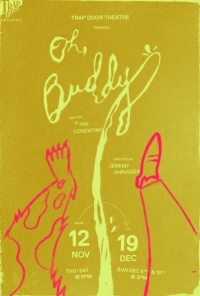
Trap Door Theatre Presents the World Premiere of OH, BUDDY, by Hal Cosentino. Opening November 12th, 2026
14 October 2026 in Upcoming TheatreTrap Door Theatre is thrilled to continue its 33rd season with a Chicago Premiere of Oh, Buddy, written by Hal…

Announcing the Cast of the 49th A CHRISTMAS CAROL
14 October 2026 in Upcoming TheatreTis the season, in spite of today's unseasonable temps, as A Christmas Carol begins rehearsals for The Goodman's 49th annual…

NOVA ENTERTAINMENT CURRENT AND UPCOMING 2026 CIRCA PINTIG UPDATES
14 October 2026 in Now PlayingNova Entertainment is pleased to announce the upcoming performance schedule and updates for CIRCA Pintig, with a visual rebrand and…
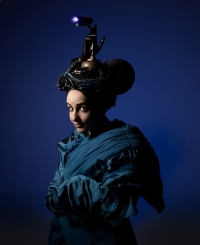
Steppenwolf Theatre Announces "ha ha ha ha ha ha ha" January 13 – February 7, 2027
14 October 2026 in Upcoming TheatreThe blurb is: hahahahahahahahahaha hahahahahahaha hihihi hahahahahahaha hoho hahahhahaha hehe hahahahahahahahahaha. Julia Masli's award-winning solo phenomenon ha ha ha ha…

'Sanctuary Stories' Ventures Into Emotional Drama Behind the News on Immigration
13 October 2026 in Theatre in ReviewSanctuary Stories plumbs the line between theater and journalism, and the powerful human dramas both can depict. Funded by a Northwestern…
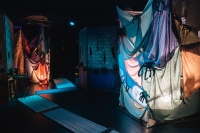
Inside Six Strange Worlds: Exquisite Corpse VI: LULLABIES
13 October 2026 in Theatre in ReviewFor its sixth Halloween season, Rough House Theater Co. has transformed Steppenwolf’s Merle Reskin Garage into a spectacular puppet haunted…
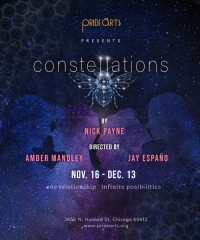
PrideArts announces cast and production teams for Nick Payne's CONSTELLATIONS, performed by alternating same-sex casts, November 13- December 13
12 October 2026 in Upcoming TheatreThursdays – Saturdays at 7:00 pm, Sundays at 3 pm Additional Saturday matinees at 3:00 pm on November 28 and December…
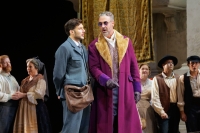
Robert Falls Directs a Sinfully Satisfying Don Giovanni at Lyric Opera of Chicago
11 October 2026 in Theatre in ReviewLet he without sin cast the first stone, Lyric’s “Don Giovanni” seemingly says when they bring up the house lights…

Teatro Vista Productions in collaboration with Audible presents Cafecito & Loops: A Mexodus Listening Tour Headed South Sundays, through November 1st
11 October 2026 in Now PlayingTeatro Vista Productions (TVP), the Midwest's only Latine-led Equity theatre company, in collaboration with Audible, presents Cafecito & Loops: A…
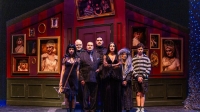
BrightSide’s Addams Family Musical Revives the Wonderfully Weird World of the Addams Clan
10 October 2026 in Theatre in ReviewThey're creepy and they're kooky, Mysterious and spooky, They're altogether ooky, The Addams Family. Yes, ooky. BrightSide Theatre’s production of…
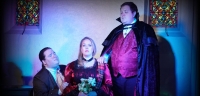
Chicago City Opera Delivers a Rare Operatic Haunting with Der Vampyr
08 October 2026 in Theatre in ReviewWith Halloween creeping closer, there’s something fitting about revisiting one of opera’s earliest flirtations with macabre horror - especially in…

Avalanche Theatre stages the world premiere of They Broke Up by Skyler Tarnas November 6–22, 2026
08 October 2026 in Upcoming TheatreAvalanche Theatre announces the world premiere production of They Broke Up by Chicago playwright Skyler Tarnas, November 6–22, 2026. Opening…

Oil Lamp Theater Announces the cast and creative team for the return of IT'S A WONDERFUL LIFE: A LIVE RADIO PLAY, Nov. 20 - Dec. 27
08 October 2026 in Upcoming TheatreOil Lamp Theater is proud to announce the cast and creative team for its next production and the final production…

Adults-only holiday fun: Who's Holiday! brings R-rated Cindy-Lou Who back to Theater Wit for her sixth year, Nov. 27-Dec. 27
08 October 2026 in Upcoming TheatreChristmas Day is in our grasp. Why the vodka? Glad you asked! Who's Holiday! brings R-rated Cindy-Lou Who back to…
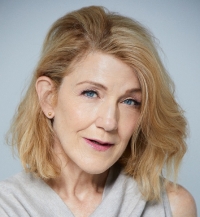
Two-Time Tony Award-Winning Actress Victoria Clark To Receive the Sarah Siddons Society Award at Annual Benefit on Monday, November 9, 2026
08 October 2026 in Theatre BuzzThe Sarah Siddons Society is pleased to present its 2026 Award to actress and director Victoria Clark, who recently starred…
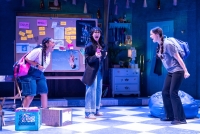
Goodman's Dead Girl’s Quinceañera: When Fifteen Meets the Adult World
07 October 2026 in Theatre in ReviewAt fifteen, the world can feel like a television show you haven't quite figured out how to turn off. For…

Steppenwolf Theatre's ADIRONDACK CHAIR CIRCLE In Rehearsal – Playing October 22 – December 6, 2026 – World Premiere!
07 October 2026 in Upcoming TheatreSteppenwolf Theatre Company, the nation's premier ensemble theater company, is pleased to launch its 51st Season with the world premiere of…

Hell in a Handbag Productions Announces 25th Anniversary Season!
07 October 2026 in Upcoming TheatreHell in a Handbag Productions is thrilled to announce its 25th Anniversary Season, featuring three "camptacular" shows guaranteed to delight lovers of…
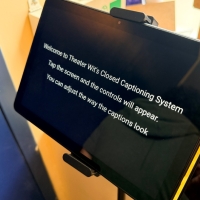
Chicago’s Theater Wit introduces new Watchword closed captioning system, dramatically improving access in all three of its theaters
07 October 2026 in Theatre BuzzChicago’s Theater Wit is now offering new, state-of-the-art closed captioning service, marking a dramatic improvement in making live theater more…

Paramount Theatre’s reimagined A Christmas Carol promises to be a dazzling new, all-ages spectacle for Chicago’s holiday theater season, November 11-January 3
07 October 2026 in Upcoming Theatre“God bless us, everyone,” because there’s a fresh, new, reimagined version of Charles Dickens’ classic tale A Christmas Carol debuting…
"John C. Reilly is Mister Romantic" Returns to Steppenwolf Theatre - December 10 – 13, 2026
06 October 2026 in Upcoming TheatreFollowing last year's critically acclaimed, sell-out engagement, Steppenwolf Theatre Company is pleased to announce the return of John C. Reilly…

Saint Sebastian Players Open 45th Season With A Murder Is Announced by Agatha Christie Classic Miss Marple Mystery Runs Oct. 23–Nov. 15
06 October 2026 in Upcoming TheatreThe Saint Sebastian Players open their 45th season of travels to different places with A Murder is Announced, a classic Miss Marple mystery…

Announcing "The Goodman, For Good" Campaign
06 October 2026 in Theatre BuzzToday, Goodman Theatre raises the curtain on its future as leadership and artists share a vision for its next century…


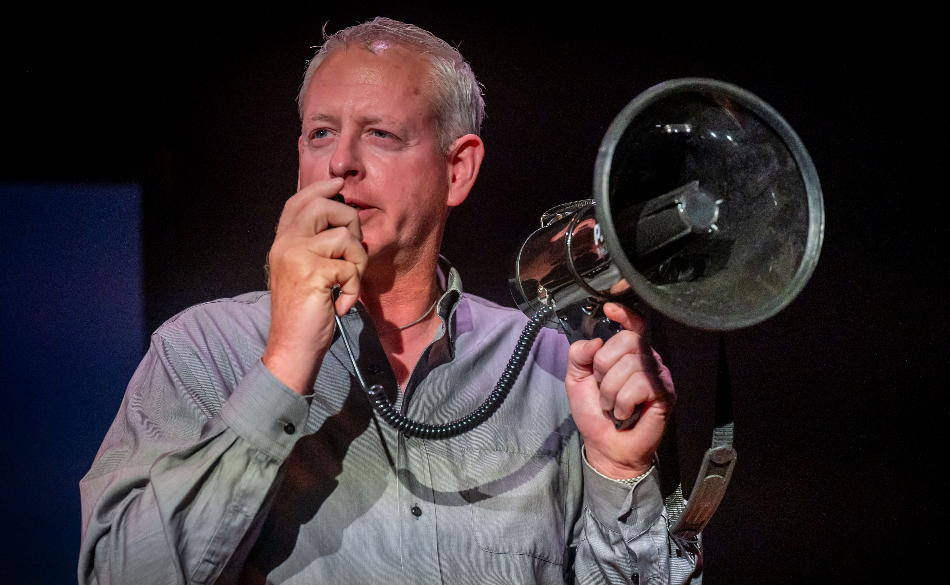

Latest Articles
-
 Identity Performing Arts' Fifth Anniversary Gala: Movement That Keeps Becoming
Written by Wesley DavidFive years is an important milestone for any arts organization, but for a contemporary dance company it also marks an artistic coming of age. Identity Performing Arts celebrated its fifth anniversary at the Edlis Neeson Theater at the Museum of…
Identity Performing Arts' Fifth Anniversary Gala: Movement That Keeps Becoming
Written by Wesley DavidFive years is an important milestone for any arts organization, but for a contemporary dance company it also marks an artistic coming of age. Identity Performing Arts celebrated its fifth anniversary at the Edlis Neeson Theater at the Museum of… -
 Overshadowed Theatrical Productions Brings Beloved Holiday Classic It’s a Wonderful Life to the Stage
Written by Buzz Center StageThis holiday season, Overshadowed Theatrical Productions is thrilled to present the timeless holiday classic, It’s a Wonderful Life, live on stage. As Frank Capra’s legendary film celebrates its 80th anniversary, this stage adaptation offers the perfect way for families and…
Overshadowed Theatrical Productions Brings Beloved Holiday Classic It’s a Wonderful Life to the Stage
Written by Buzz Center StageThis holiday season, Overshadowed Theatrical Productions is thrilled to present the timeless holiday classic, It’s a Wonderful Life, live on stage. As Frank Capra’s legendary film celebrates its 80th anniversary, this stage adaptation offers the perfect way for families and… -
 Dance Theatre of Harlem fills Auditorium Theatre with fire and funk
Written by Susan LiebermanProjecting a vibe that felt more homecoming party than ballet presentation, Dance Theatre of Harlem returned to Chicago on October 17th after a 10-year absence. The Auditorium Theatre audience took a while to assemble itself largely because people were having…
Dance Theatre of Harlem fills Auditorium Theatre with fire and funk
Written by Susan LiebermanProjecting a vibe that felt more homecoming party than ballet presentation, Dance Theatre of Harlem returned to Chicago on October 17th after a 10-year absence. The Auditorium Theatre audience took a while to assemble itself largely because people were having… -
 “A Strange Loop” Lets the Intrusive Thoughts Win at Raven Theatre in partnership with About Face Theatre
Written by John AccroccoA musical, but it’s just the voices in your head. Sounds just crazy enough to win the 2020 Pulitzer for Drama. “A Strange Loop” by Michael R. Jackson finally makes its Chicago premiere at Raven Theatre in a co-production with…
“A Strange Loop” Lets the Intrusive Thoughts Win at Raven Theatre in partnership with About Face Theatre
Written by John AccroccoA musical, but it’s just the voices in your head. Sounds just crazy enough to win the 2020 Pulitzer for Drama. “A Strange Loop” by Michael R. Jackson finally makes its Chicago premiere at Raven Theatre in a co-production with…


Does your theatre company want to connect with Buzz Center Stage or would you like to reach out and say "hello"? Message us through facebook or shoot us an email at This email address is being protected from spambots. You need JavaScript enabled to view it..
*This disclaimer informs readers that the views, thoughts, and opinions expressed in the text belong solely to the author, and not necessarily to Buzz Center Stage. Buzz Center Stage is a non-profit, volunteer-based platform that enables, and encourages, staff members to post their own honest thoughts on a particular production.